
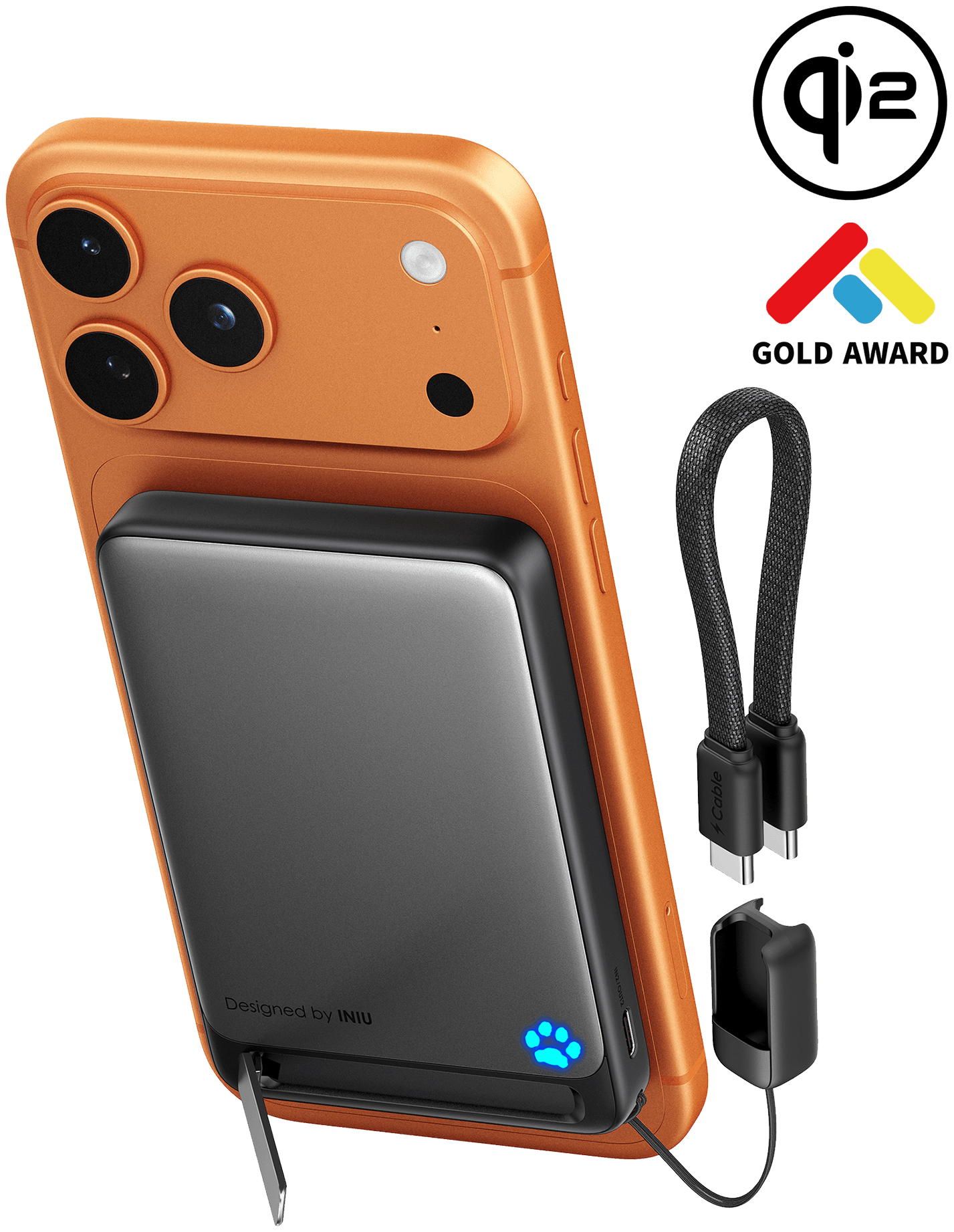
INIU Voucher Code – Compare the Full INIU Purchase Before Applying an Offer
A INIU voucher code can reduce the amount you pay, but it should not decide what you buy. With power banks, the larger questions are model compatibility, power requirements, and included accessories. Those points affect whether the purchase works after checkout, while the deal only changes the price. A sensible order of operations is therefore simple: define the need, evaluate the suitable options, understand the terms, and then apply an available deal to the cart that already makes sense.
Define the purchase before looking at the deal
Rather than asking “Which INIU option has the best deal?”, ask “Which alternative creates the fewest compromises for my use case?” In power banks, that means looking closely at model compatibility and power requirements, then deciding how much you are willing to trade one for the other. A discount can change the price difference between two choices, but it does not erase a practical limitation.
Use home use as a test scenario. If an option performs well in that scenario without depending on features you will rarely use, it deserves further consideration. If it only becomes appealing after the coupon is applied, pause and compare again.
Separate helpful differences from extra features
A side-by-side comparison is useful only if the columns contain meaningful information. For INIU, focus on model compatibility, power requirements, included accessories, and warranty coverage. If two options are identical on the points that matter, the cheaper one may be enough. If one alternative removes a limitation you will encounter repeatedly, the higher price can be justified even before an offer is applied.
Check inclusions with the same care as headline functions. A missing accessory, service level, allowance, or component can change the effective price. Conversely, paying for extras you do not need is still overspending even when the bundle carries a stronger promotional message.
How to evaluate INIU within the power banks category
Technical specifications matter only when they change the experience. With INIU, identify the few specifications connected to your actual workload, room, device ecosystem, or travel needs. Ignore impressive numbers that will not affect normal use.
Then verify ownership practicalities: warranty scope, replacement consumables or parts, firmware or software requirements, and support. These do not need to dominate the decision, but they should be known before a coupon creates pressure to buy quickly.
Compare the amount due, not the headline percentage
Calculate the saving in currency, not only as a percentage. A percentage can look dramatic while producing a small difference on the cart you actually plan to buy. For INIU, note the pre-promotion total, the amount removed, and the final amount due. That three-number verify makes the value of the offer much easier to understand.
If the saving requires you to add something, calculate the new amount due as well. Spending more to “save more” is reasonable only when the additional item or higher tier was already helpful. Otherwise the available offer has changed the purchase as opposed to improved it.
Apply the saving to a basket that already makes sense
Once the INIU cart is settled, check the live promotion. Confirm that the reduction appears in the amount due and that it applies to the item you expected. Automatic sales, member pricing, bundles, or other deals can sometimes produce a different result from a coupon, so compare the actual totals instead of assuming one type of offer is always better.
Review support, cancellation, and return rules
The return or cancellation policy is part of the price decision. With INIU, verify warranty coverage and identify any category-specific limitation before the order becomes final. A promotion does not reduce the inconvenience of choosing the wrong size, date, model, license, or configuration.
Save the confirmation after purchase. It gives you a reliable reference for the exact selection and can be helpful if product pages, bundles, or terms change later. That record also makes future reorders or upgrades easier to evaluate.
Use the first month as a decision test
Run a quick scenario test. Imagine buying from INIU for home use. First verify model compatibility; then eliminate anything that fails on power requirements; finally compare the survivors on included accessories. Now repeat the process for work or studio use. The winner may change, which shows why a universal “best deal” is rarely useful. The best value is the alternative that fits the scenario and becomes cheaper after the promotion—not the choice with the biggest reduction label.
Avoid these coupon-driven buying errors
- Buying the sale instead of the product: choosing INIU because the offer feels urgent.
- Forgetting ongoing cost: considering only the first transaction when the category can involve later expense.
- Using another region as a reference: assuming price, stock, tax, or terms are identical everywhere.
- Ignoring support: treating setup or problem resolution as irrelevant until it is needed.
- Chasing the largest percentage: overlooking a cheaper suitable option with a smaller advertised saving.
When waiting for a better deal does not help
Availability can sometimes be more valuable than a slightly lower future price. If the specific INIU alternative you need is in stock, fits the requirement, and must arrive by a specific date, factor that certainty into the decision. If timing is unimportant, keep the comparison calm and avoid buying early solely because an offer looks temporary.
Keep the confirmation practical
Keep the specific INIU purchase specifics rather than simply only the payment receipt. Model, size, plan tier, booking conditions, or another configuration detail can matter if support is needed. Those records also help you compare a later replacement or renewal with what you actually bought rather than simply with what you remember.
Before the payment button
- Check model compatibility against the way you will actually use it.
- Confirm the precise product configuration or configuration.
- Save the order specifics and the applicable terms for reference.
- Verify the deal appears in the amount due.
- Review warranty coverage before payment.
Make the saving serve the purchase
A deal is successful when two things are true at the same time: the INIU choice suits the use case and the saving lowers the real checkout cost. Keep those two tests separate. It is the easiest way to avoid overbuying, protect flexibility, and make the coupon serve the purchase instead of controlling it.
Use one tie-break rule when the shortlist is still close
If two INIU choices remain close, identify the difference you expect to notice most often. It may be model compatibility, power requirements, convenience, or the cost of correcting a mistake. Give that factor more weight than a long list of small extras. Then compare the prices again after the saving is applied. This keeps the checkout decision anchored to everyday consequences instead of promotional urgency.
It can also help to ask what you would recommend to someone with the same use case but no coupon. If your recommendation changes only because a reduction is visible, confirm the new compromise is intentional. A lower price is valuable when the INIU option still meets the requirement that started the search.
Check whether convenience is worth paying for
Convenience can be a legitimate part of value. With INIU, one choice may reduce setup, delivery uncertainty, maintenance, account management, or another source of friction. If that convenience will save time repeatedly, it can justify a higher price. If it only removes a one-time inconvenience, the premium may be harder to defend.
Compare convenience after the promo code is applied, but do not count it twice. A heavily promoted premium choice can look attractive because it combines a discount with extra features; focus on the specific convenience you expect to use and decide what that is worth to you.



